
%20See%20Spot%20Stay%20Logo.jpg)
Why Understanding Dog Rescue Matters Before Trying to Help


Every day, people come across dogs that appear lost, abandoned, or in need of help. Whether it’s a dog wandering alone in a neighborhood or a post shared online about a dog needing rescue, the instinct to help is often immediate.
However, dog rescue is rarely as simple as it appears. While the desire to help comes from a good place, the process of safely rescuing and placing a dog often involves more coordination and planning than many people realize.
As a professional dog trainer with more than 25 years of hands-on experience working with rescue dogs and behavior cases, I’ve seen how understanding the rescue process can make a significant difference in helping dogs safely.
Many Dogs That Appear Stray Are Actually Lost
One of the first things people learn in rescue work is that many dogs found alone are not abandoned—they are simply lost pets.
Dogs slip collars, escape yards, or become separated from their owners during stressful situations. Because of this, one of the most important first steps is determining whether the dog belongs to someone nearby and hopefully reuniting the dog with their owner quickly.
Helping Dogs Safely Requires Patience
People often want to move quickly when they see a dog in need, but rushing into a situation can sometimes make things more difficult.
Frightened dogs may run if approached too quickly, and rescue situations sometimes require coordination between multiple people to ensure the dog can be safely handled.
Patience and careful observation often lead to better outcomes for both the dog and the people trying to help.
Rescue Work Is Often a Team Effort
Successful rescue efforts usually involve many different people working together.
Shelters, veterinarians, transport volunteers, foster homes, and rescue organizations all play important roles in helping dogs transition from unsafe situations into stable homes.
Understanding how these pieces fit together can make it much easier for individuals to step in and help effectively.
Small Actions Can Make a Big Difference
Even simple actions—such as sharing information, checking on a dog that appears lost, or connecting the right people—can have a major impact.
Many successful rescue stories begin with one person simply paying attention and deciding to help.
Learning How Rescue Works
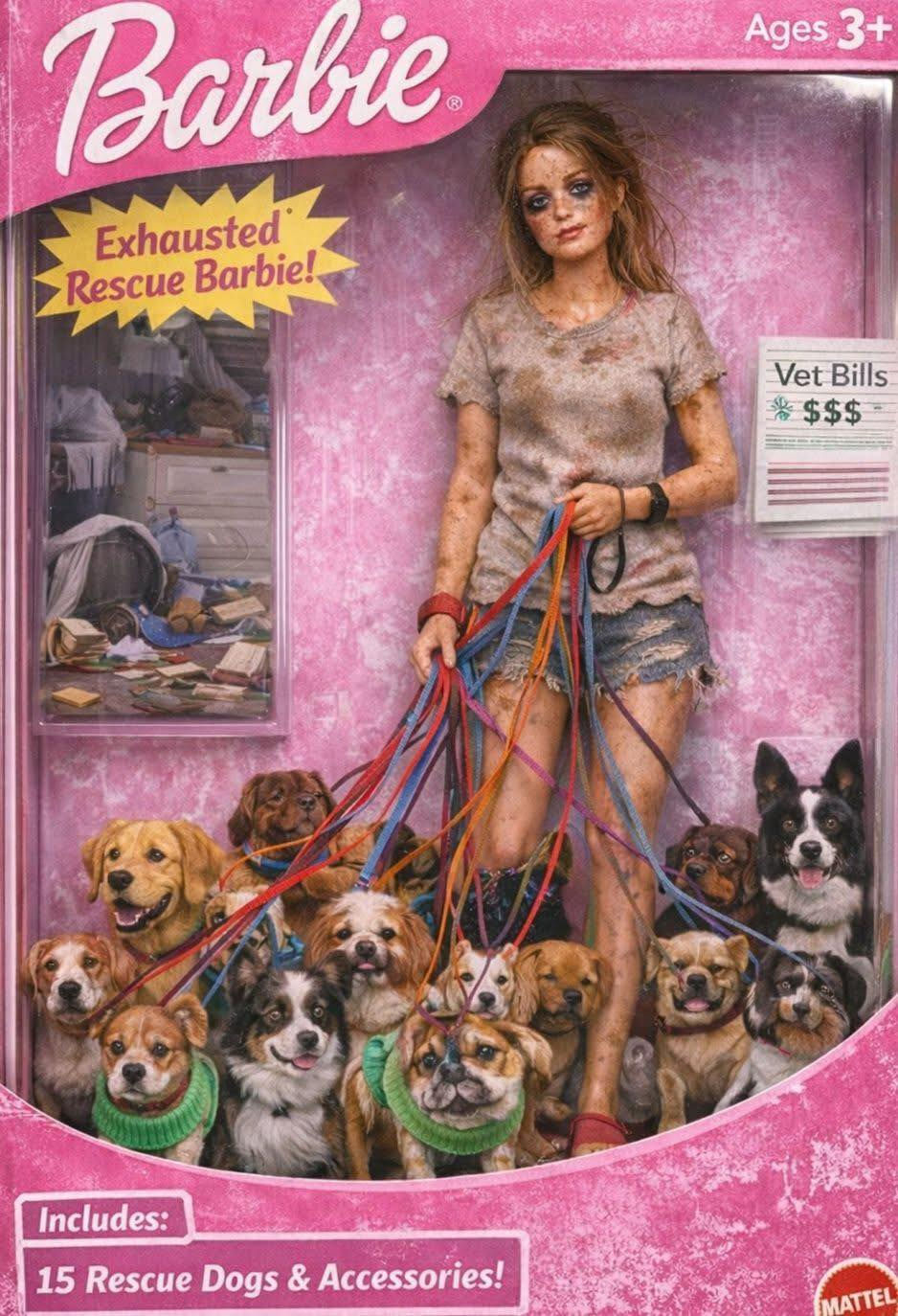
For people who care about animals and want to help responsibly, understanding how dog rescue works can make a big difference. Many people say they one day want to open a rescue, but they don't have any real life rescue experience. They may have fostered, adopted, donated or shared a post and think they want to run a rescue some day, but they don't know the reality of how rescue works. Rescue can take a tole on you physically, mentally, emotionally and financially. Volunteering and seeing how rescue are actually run is the best way to help dogs in need vs waiting for the day that you can start your own rescue.
Learn More About the Rescue Process
If you want to better understand how dog rescue works and how everyday people can safely help stray or abandoned dogs, the See Spot Stay™ Rescue 101 Series and the Independent Dog Rescuer Toolkit provide step-by-step guidance based on real-world rescue experience.

These resources explain the rescue process, common challenges, and practical tools that can help individuals assist dogs in need responsibly.


Comments