
%20See%20Spot%20Stay%20Logo.jpg)
Why Dog Rescue Is Often Disorganized (And Why That Makes It Harder to Save Dogs)

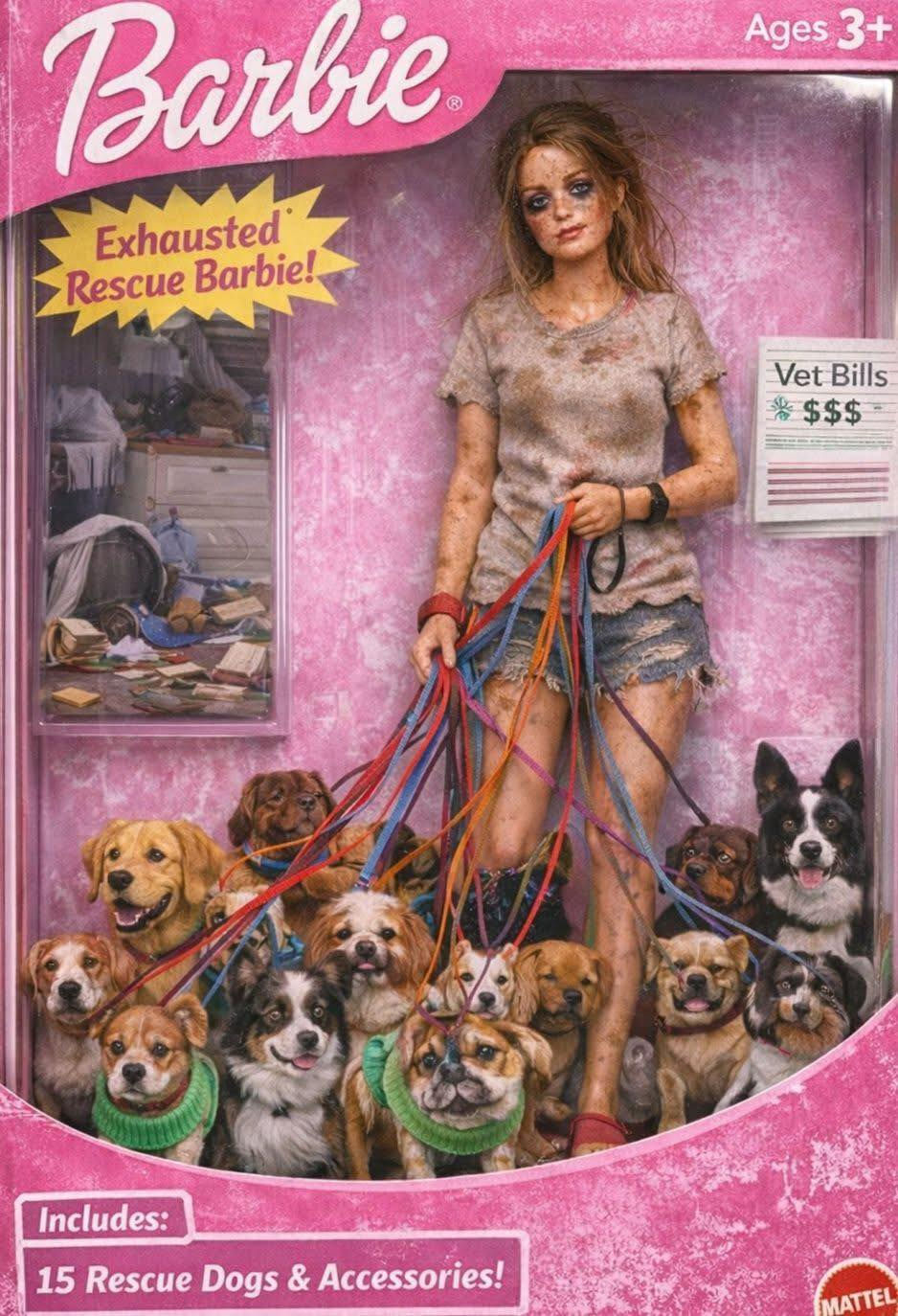
Anyone who has spent time around dog rescue quickly realizes that it often looks chaotic from the outside, if you think that's bad, you should see it from the inside!
Dogs needing help appear suddenly. People jump in to assist. Information spreads quickly across social media. Rescues try to coordinate fosters, transportation, veterinary care, and sometimes safe capture—all at the same time.
The reality is that dog rescue frequently operates under intense time pressure with limited resources. While the passion and dedication of people involved is incredible, the lack of the ability to organize can sometimes make it harder to help dogs efficiently.
Rescue Often Happens in Real Time
Many rescue situations develop quickly. A dog is found on the street, posted online, or discovered in a dangerous situation.
Within hours, people may be trying to locate the dog, determine whether an owner exists, arrange veterinary care, or find a safe place for the dog to stay.
Because these situations unfold rapidly, coordination between multiple people becomes essential. Often this is in an area where the rescue is not located, so they need to scramble to find people or other rescues in the area that can assist.
Information Is Often Scattered
One of the biggest challenges in rescue work is that information can be spread across many different places.
Details about a dog may appear in social media posts, text messages, emails, or conversations between those trying to find help. Important information can easily become lost or misunderstood when many people are trying to help in a hurray and all at once.
There could be multiple rescues trying to help save the same dog while they don't know that others are doing the same work behind the scenes.
Volunteers Are Balancing Many Responsibilities
Most people involved in rescue work are volunteers who also have full-time jobs, families, and other commitments.
They may be coordinating transportation, arranging foster homes, scheduling veterinary visits, and communicating with multiple people at the same time.
Even the most dedicated and experienced rescue volunteers can become overwhelmed.
Organization Helps More Dogs Get Help
When rescue efforts are organized between a network that has worked with each other before when saving dogs, dogs move through the process more smoothly.
Clear communication, proper documentation, and organized planning help rescuers avoid delays and ensure that dogs receive the help they need.
This also helps prevent misunderstandings between volunteers, fosters, and rescue organizations. This is all happening at the same time, things can fall apart and need to be re-coordinated, which happens almost all the time.
Tools That Help Rescuers Stay Organized
People who regularly help dogs often develop systems that make rescue work easier to manage. They have someone they can rely on for trapping if needed, they have trusted volunteers that can pick up dogs fro the shelter, they have experienced foster homes that are available for immediate short term fostering to get the dog to safety.
Having these trusted volunteers are rescue tools that can make a major difference in keeping rescue efforts organized and able to help dogs in need in an emergency.
Learn More About How Rescue Work Actually Happens
For people who want to better understand how dog rescue works—and how to responsibly help dogs in need—the See Spot Stay™ Rescue 101 Series explains the rescue process and common challenges rescuers face.
For individuals who want practical tools to help organize rescue efforts, the Independent Dog Rescuer Toolkit includes forms, resources, and templates designed to help rescuers coordinate situations more effectively.
Both resources are based on real-world rescue experience and are designed to help everyday people safely assist dogs in need.
Final Thoughts
Dog rescue is driven by passionate people who care deeply about animals. When those efforts are supported by people volunteering to be one of the tools needed to help the rescue function, even more dogs can be helped.
Combined small efforts by regular people can make a big difference in the lives of dogs who need help.


Comments